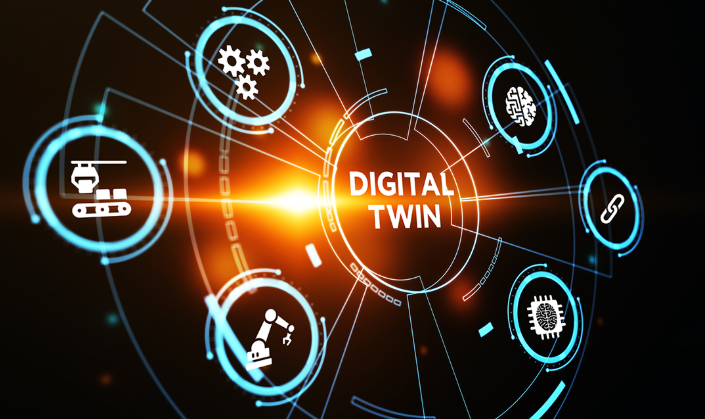

Digital twins represent a significant advancement in simulation technology, integrating real-time data with virtual models. This duality allows for enhanced analytics and operational efficiencies across various sectors. As organizations implement these systems, they can leverage insights for improved decision-making. However, the implications of this integration extend beyond mere optimization. The true potential of digital twins may redefine industry standards in ways not yet fully understood. What lies ahead in this evolving landscape?
Understanding Digital Twins
Digital twins represent a sophisticated convergence of the physical and digital realms, enabling real-time simulation and analysis of physical assets.
Through data integration, these virtual models continuously reflect their physical counterparts, facilitating real-time monitoring of performance and conditions.
This dynamic relationship enhances decision-making processes, allowing for proactive management and optimization, ultimately empowering organizations to innovate while maintaining operational efficiency and autonomy.
See also: bletixcom
Key Applications Across Industries
The integration of digital twins has catalyzed transformative changes across various industries, leading to enhanced operational efficiencies and informed decision-making.
In manufacturing optimization, real-time data analysis enables streamlined processes and resource management.
Similarly, in healthcare advancements, digital twins facilitate personalized treatment plans and predictive analytics, improving patient outcomes.
These applications illustrate the versatility and impact of digital twin technology across diverse sectors.
Benefits of Implementing Digital Twins
Numerous advantages arise from implementing digital twins across various sectors.
These virtual replicas enable organizations to achieve significant cost savings by optimizing operations and reducing downtime.
Additionally, they provide real-time insights, facilitating data-driven decision-making and enhancing predictive maintenance.
This technological advancement empowers businesses to respond swiftly to changes, ultimately supporting a more agile and efficient operational framework while promoting innovation and growth.
The Future of Digital Twins in Simulation
As industries increasingly embrace advanced technologies, the role of digital twins in simulation is poised for significant evolution.
Future applications will leverage real-time monitoring and predictive analytics to enhance decision-making and operational efficiency. This integration enables organizations to anticipate issues, optimize performance, and reduce downtime.
As a result, digital twins will become indispensable tools for fostering innovation and maintaining competitive advantage in dynamic markets.
Conclusion
In conclusion, digital twins are set to transform simulation across various sectors, enhancing real-time decision-making and operational efficiency. Notably, a study by Gartner predicts that by 2025, over 50% of large organizations will utilize digital twin technology, underscoring its growing significance. This widespread adoption will not only streamline processes but also foster innovation, positioning enterprises to navigate complex market dynamics effectively. As digital twins continue to evolve, they will redefine industry benchmarks for performance and productivity.

 By
By

 By
By