
The landscape of data management presents a critical choice between edge computing and cloud computing. Each approach offers unique advantages and potential challenges. Edge computing enhances real-time data processing by minimizing latency, making it suitable for immediate analytics. Conversely, cloud computing provides extensive scalability and centralized resource allocation. Understanding when to employ each method can significantly impact operational efficiency and innovation. What factors should businesses consider in their decision-making process?
Understanding Cloud Computing
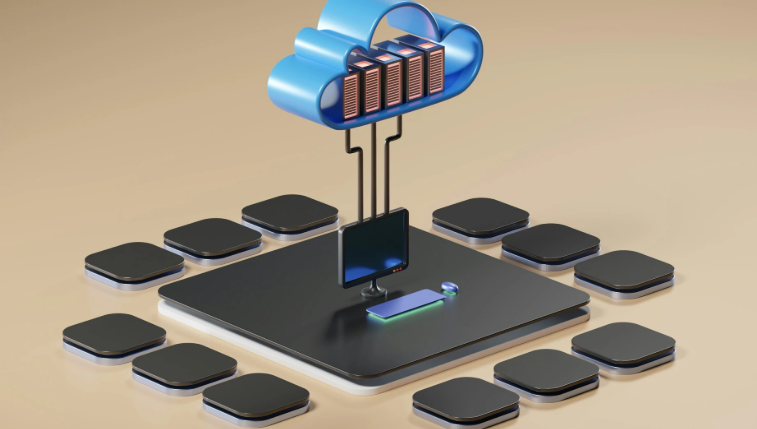
Cloud computing represents a paradigm shift in how organizations manage and deploy their IT resources. By leveraging various deployment models—public, private, and hybrid—businesses can optimize operational efficiency.
The cloud benefits include enhanced scalability, cost reduction, and improved collaboration. These advantages empower organizations to remain agile and responsive, aligning their IT strategies with the pursuit of greater freedom in resource management and innovation.
See also: bletixcom
Exploring Edge Computing
The rise of edge computing signifies a transformative development in the landscape of IT resource management, complementing the capabilities offered by cloud computing.
By deploying edge devices closer to data sources, organizations achieve significant latency reduction, enabling faster processing and real-time analytics.
This strategic shift empowers businesses to optimize operations, enhance user experiences, and reduce bandwidth costs, fostering a more agile digital environment.
Key Differences Between Edge and Cloud Computing
Numerous key differences delineate edge computing from its cloud counterpart, shaping their respective roles in modern IT infrastructure.
Edge computing excels in latency reduction by processing data closer to its source, enhancing real-time analytics.
In contrast, cloud computing offers centralized data processing, allowing for extensive resource allocation and scalability, but often at the expense of speed.
Each model serves distinct operational needs in diverse environments.
Choosing the Right Solution for Your Business
How can businesses determine whether edge computing or cloud computing best suits their operational needs?
By meticulously assessing their business needs, companies can evaluate factors such as data latency, processing power, and solution scalability.
Edge computing excels in environments requiring rapid data processing, while cloud computing offers robust scalability for extensive data storage and analytics.
The right choice hinges on strategic alignment with operational objectives.
Conclusion
In conclusion, the choice between edge and cloud computing hinges on specific business needs and application requirements. Notably, a recent study found that 75% of enterprises plan to integrate edge computing into their existing cloud infrastructure by 2025, highlighting the growing recognition of the importance of both paradigms. By understanding the strengths and limitations of each approach, organizations can strategically leverage these technologies to enhance operational efficiency and drive innovation in an increasingly digital landscape.

 By
By

 By
By